
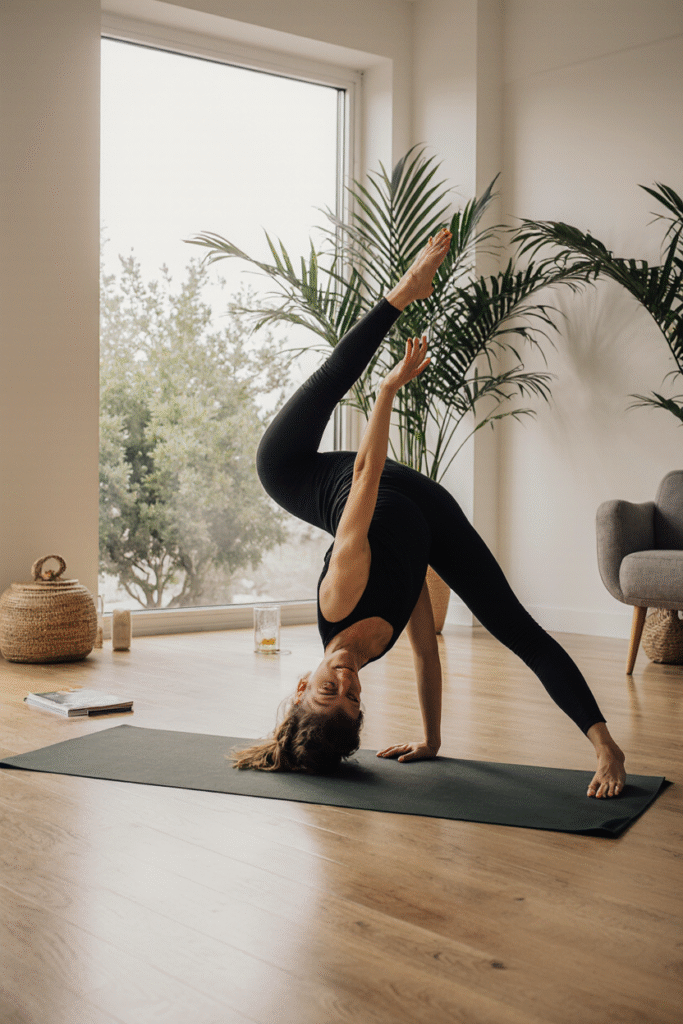
Prenatal yoga is a specialized form of yoga designed specifically for expectant mothers, combining gentle physical poses, breathing techniques, and mindfulness practices to support both mother and baby throughout pregnancy. More than just exercise, prenatal yoga creates a powerful mind-body connection that prepares women physically, mentally, and emotionally for the transformative journey of pregnancy, labor, and motherhood.
What is Prenatal Yoga and Why It’s More Than Just Exercise
Prenatal yoga goes far beyond traditional fitness routines. It’s a holistic practice that acknowledges the profound changes happening in a woman’s body while nurturing the growing life within. Unlike regular yoga, prenatal yoga modifications ensure safety for both mother and baby while addressing the unique physical and emotional needs that arise during pregnancy.
The practice combines:
- Gentle physical poses adapted for pregnancy
- Specialized breathing techniques for relaxation and labor preparation
- Mindfulness practices to reduce stress and anxiety
- Community building through connection with other expectant mothers
“Prenatal yoga isn’t just about staying fit during pregnancy—it’s about creating a sacred space for you and your baby to connect, grow, and prepare for the beautiful journey ahead.” – Maya Johnson, Certified Prenatal Yoga Instructor
The Science-Backed Benefits of Prenatal Yoga
Key Takeaways:
- Reduces stress hormones by up to 35%
- Improves sleep quality in 78% of practitioners
- Decreases lower back pain by 42%
- Enhances labor outcomes and recovery
- Strengthens the mother-baby bond
Reduces Stress and Anxiety
Research published in the Journal of Women’s Health shows that prenatal yoga benefits include significant reductions in cortisol levels and anxiety symptoms. A 2018 study found that women practicing prenatal yoga experienced:
- 35% reduction in stress hormones
- Improved mood regulation
- Better emotional resilience during pregnancy
Improves Sleep Quality
Sleep disturbances affect up to 80% of pregnant women. Prenatal yoga addresses this through:
- Relaxation techniques that calm the nervous system
- Gentle poses that relieve physical discomfort
- Breathing exercises that prepare the mind for rest
Study Results: 78% of women practicing prenatal yoga reported improved sleep quality within 4 weeks of starting their practice.
Increases Strength and Flexibility for Labor
Prenatal yoga builds the specific strength and flexibility needed for childbirth:
- Core strength to support the growing belly
- Pelvic floor muscles for labor and recovery
- Hip flexibility for optimal fetal positioning
- Stamina for the marathon of labor
Alleviates Common Pregnancy Discomforts
DiscomfortHow Prenatal Yoga HelpsRecommended PosesLower Back PainStrengthens supporting musclesCat-Cow, Child's PoseHip TensionIncreases flexibilityButterfly, Wide-Legged Forward FoldSwellingImproves circulationLegs Up the WallHeartburnPromotes better postureSeated Spinal TwistFatigueBoosts energy naturallyWarrior II, Tree Pose
Fosters a Deeper Connection with Your Baby
The mindful nature of prenatal yoga creates opportunities for bonding:
- Quiet moments to focus on baby’s movements
- Breathing practices that benefit both mother and baby
- Visualization techniques for positive birth experiences
A Trimester-by-Trimester Guide to Safe Poses
First Trimester (Weeks 1-12): Establishing Foundation
Focus: Building routine, managing fatigue, and gentle strengthening
Safe Poses:
- Mountain Pose (Tadasana): Improves posture and grounds your practice
- Cat-Cow Stretch: Relieves early back tension and improves spinal mobility
- Modified Sun Salutations: Gentle warm-up without deep backbends
- Seated Forward Fold: Calms the nervous system and aids digestion
Key Modifications:
- Avoid deep twists and backbends
- Listen to your body’s energy levels
- Stay hydrated and avoid overheating
Second Trimester (Weeks 13-26): Building Strength
Focus: Strengthening for the growing belly, improving stamina
Safe Poses:
- Warrior II: Builds leg strength and opens hips
- Triangle Pose: Strengthens legs while stretching sides
- Modified Plank: Core strengthening with knees down
- Goddess Squat: Hip opening and thigh strengthening
Key Modifications:
- Use blocks and props for support
- Avoid lying flat on your back after 20 weeks
- Take breaks as needed
Third Trimester (Weeks 27-40): Preparing for Birth
Focus: Hip opening, relaxation, and labor preparation
Safe Poses:
- Supported Child’s Pose: Deep relaxation and hip opening
- Butterfly Pose: Hip flexibility for birth
- Wall Sits: Leg strengthening without strain
- Supported Bridge: Gentle backbend with props
Key Modifications:
- Use walls and props extensively
- Focus more on breathing than physical poses
- Practice positions that may help during labor
Poses to Avoid During Pregnancy
Never Practice These Poses:
- Deep backbends (Wheel, Camel)
- Prone positions (lying on belly)
- Deep twists from the belly
- Hot yoga or heated rooms above 80°F
- Jump transitions or inversions
- Any pose causing discomfort
Mastering Breathwork for Pregnancy and Labor
Prenatal yoga breathing techniques are perhaps the most valuable tools you’ll learn, serving you throughout pregnancy and especially during labor.
For Relaxation and Stress Relief
Deep Belly Breathing (Diaphragmatic Breathing):
- Place one hand on chest, one on belly
- Breathe slowly through nose, expanding belly
- Exhale slowly through mouth
- Practice 5-10 minutes daily
Benefits: Activates parasympathetic nervous system, reduces cortisol, improves oxygen flow to baby
For Energy and Focus
Ujjayi Breath (Ocean Breath):
- Inhale slowly through nose
- Exhale through nose with slight throat constriction
- Creates soft “ocean” sound
- Maintain throughout yoga practice
Benefits: Increases concentration, builds heat gently, maintains rhythm during poses
For Labor and Delivery
Golden Thread Breath:
- Inhale normally through nose
- Exhale slowly through slightly parted lips
- Imagine breathing out a golden thread
- Focus on long, controlled exhales
Benefits: Manages pain perception, maintains calm during contractions, provides focus during intense moments
Essential Equipment and Setup
Basic Equipment Needed:
- Non-slip yoga mat
- Yoga blocks (2)
- Bolster or firm pillows
- Blanket for relaxation
- Wall space for supported poses
Creating Your Space:
- Choose quiet, comfortable area
- Ensure good ventilation
- Keep water nearby
- Have phone for emergency contact
Safety Guidelines and Precautions
When to Stop and Consult Your Healthcare Provider
Immediate Stop Signals:
- Vaginal bleeding
- Fluid leakage
- Chest pain or heart palpitations
- Severe headache
- Calf pain or swelling
- Decreased fetal movement
General Safety Rules
- Always get medical clearance before starting
- Never practice in temperatures above 80°F
- Avoid exercises lying flat on back after 20 weeks
- Listen to your body above all else
- Stay hydrated throughout practice
Creating Your Weekly Practice Schedule
Sample Weekly Routine
DayFocusDurationKey ElementsMondayGentle Flow30 minutesCat-cow, standing posesTuesdayBreathing Focus20 minutesPranayama techniquesWednesdayRest/Walk-Gentle movementThursdayStrength Building35 minutesWarrior poses, modified planksFridayHip Opening30 minutesButterfly, goddess squatSaturdayRelaxation25 minutesRestorative posesSundayChoice/Rest-Listen to your body
Frequently Asked Questions
When can I start prenatal yoga?
You can typically start prenatal yoga any time during pregnancy with your healthcare provider’s approval. Many women begin in the second trimester when morning sickness subsides, but first-trimester practice is safe with proper modifications.
Do I need any special equipment?
Basic yoga equipment is sufficient: a non-slip mat, blocks, and bolster. Most prenatal classes provide props, but having your own ensures comfort and hygiene.
Can I do prenatal yoga if I’ve never done yoga before?
Absolutely! Prenatal yoga is designed for all levels. Beginner-friendly classes focus on foundational poses and breathing techniques. Many women discover yoga through pregnancy and continue long after.
How is prenatal yoga different from regular yoga?
Prenatal yoga modifications include:
- Avoiding prone and supine positions
- Wider stance in standing poses
- Focus on hip opening over deep backbends
- Emphasis on breathing and relaxation
- Community aspect with other expectant mothers
How often should I practice prenatal yoga?
Most experts recommend 2-3 times per week, with daily breathing practice. Listen to your body and adjust frequency based on energy levels and comfort.
What if I feel dizzy during practice?
Stop immediately and rest in a comfortable position. Dizziness can result from low blood sugar, dehydration, or positional changes. Always keep water nearby and eat a light snack before practice.
Can prenatal yoga help with labor pain?
While yoga cannot eliminate labor pain, prenatal yoga breathing techniques and relaxation skills can significantly help manage discomfort and maintain calm during contractions. Many women report feeling more prepared and confident for birth.
Should I continue prenatal yoga if I’m having complications?
Any pregnancy complications require discussion with your healthcare provider before continuing physical activity. Modified or gentler practices may still be possible, but professional guidance is essential.
Building Your Support Network
Prenatal yoga classes offer more than physical practice—they provide community connection with other expectant mothers. Consider:
- Local prenatal yoga studios
- Online prenatal yoga communities
- Pregnancy support groups
- Partner/family involvement in practice
Preparing for Postpartum
The benefits of prenatal yoga extend beyond birth. The breathing techniques, mindfulness practices, and physical awareness developed during pregnancy support:
- Postpartum recovery
- Stress management with a newborn
- Core and pelvic floor rehabilitation
- Transition to postnatal yoga practice
Conclusion: Your Journey Forward
Prenatal yoga offers a beautiful way to honor your body’s incredible work while nurturing your growing baby. The prenatal yoga benefits extend far beyond physical fitness, creating tools for stress management, labor preparation, and deep connection with your child.
Remember that every pregnancy is unique. What matters most is creating a practice that feels good for you and supports your individual journey to motherhood. Start slowly, listen to your body, and don’t hesitate to modify or rest when needed.
Whether you’re seeking stress relief, physical preparation for labor, or simply a mindful way to connect with your baby, prenatal yoga provides a foundation of strength, flexibility, and inner peace that will serve you throughout pregnancy and beyond.
Ready to begin? Start with just 10-15 minutes of gentle breathing and simple poses. Your journey into prenatal yoga doesn’t require perfection—just presence, patience, and trust in your body’s wisdom.