
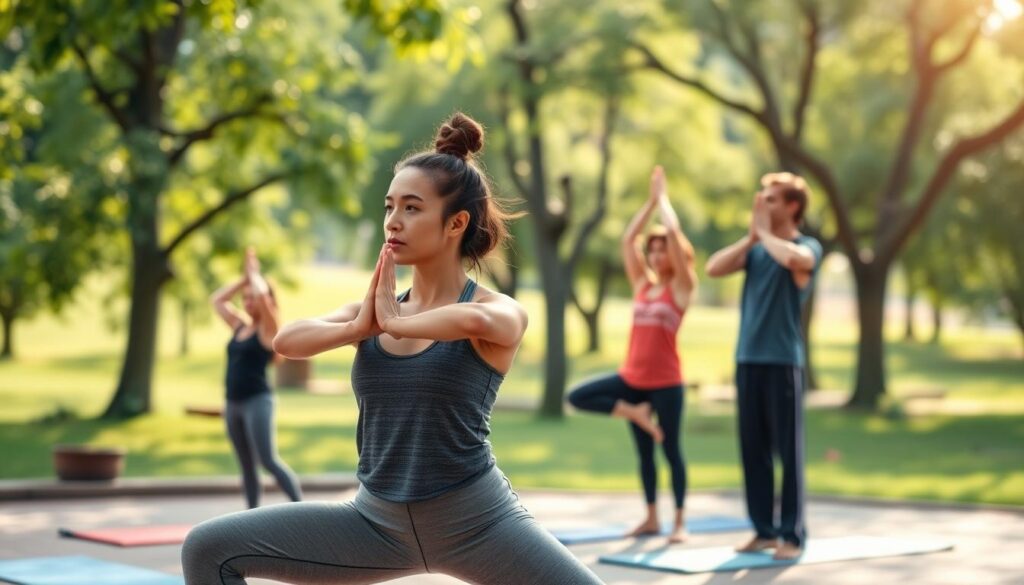
Yoga for athletes can help improve flexibility, balance, recovery, and mental focus while complementing your regular training., feeling the weight of your performance resting on your shoulders. You push your limits daily, yet there’s a part of you that craves balance and flexibility. Many athletes, like LeBron James and Aaron Rodgers, have discovered a powerful tool that enhances their game. It’s not just about lifting weights or running miles; it’s about connecting with your body in a way that fosters recovery and strength.
Even if you only have 10 minutes to spare, you can experience the benefits that come from targeted movements. With a few simple poses, you can address tight muscles and improve your balance. This practice allows you to maintain your focus and mental readiness, helping you stay at the top of your game.
As you roll out your mat, remember that it’s not about perfection; it’s about progress. This guide will help you integrate essential movements into your routine without sacrificing valuable training time.

yoga for athletes
Key Takeaways
- Short sessions can yield significant benefits for your performance.
- Many elite athletes incorporate this practice into their training.
- Specific poses can alleviate tightness and enhance flexibility.
- Improving balance can lead to better overall performance.
- You can achieve mental clarity and focus through mindful breathing.
Embracing the Benefits of Yoga in Your Training
As you navigate the demands of your training, finding harmony within your body can be a game changer. Integrating occasional mindful practices can help release chronically tight muscles and improve core stability. This is crucial for correcting imbalances that often develop during intense training.
A 2016 study showed that male college athletes who practiced yoga twice a week experienced significant improvements in balance and flexibility. Poses like Downward-Facing Dog, Warrior 3, and Mountain Pose contribute to stronger legs and steadier hips, enhancing your body awareness and movement control.
Additionally, recovery-focused breathing techniques can ease soreness and promote blood flow. This is especially beneficial for runners and other athletes looking to return to training comfortably. As Evie Venables notes, yoga teaches patience and the vital connection between breath and movement, which can sharpen your focus during performance.
How to Incorporate Yoga into Your Daily Workout
Envision a scenario where your daily workout is complemented by simple yet effective stretches. You can easily integrate a quick routine into your training. This sequence includes six poses, each held for 30 to 45 seconds, perfect for when your muscles are warm.
On days when time is tight, don’t worry! You can practice one or two poses instead of skipping your routine altogether. Consider placing these movements right after your existing workouts. This way, you utilize your established training time without making significant changes to your schedule.
As you move through each pose, remember to breathe steadily. Don’t force a position, especially if your hips, knees, feet, or hamstrings feel tight. Consistency is key, so aim to repeat this manageable routine several times a week. Doing so will help you maintain your practice and enjoy the many benefits it offers.
Essential Yoga Poses to Elevate Your Performance
Unlocking your full potential begins with mastering key poses that enhance your performance. Incorporating these movements into your routine can lead to significant improvements in your athletic abilities.
Start with Mountain Pose, which emphasizes equal weight distribution across your feet. This foundational pose helps align your ankles, knees, and hips, promoting body awareness.
Next, try Warrior 3. This pose strengthens your quadriceps and glutes while improving balance and concentration. It’s an excellent way to build stability in your lower body.
Pair Downward-Facing Dog with Cobra Pose to stretch your hamstrings and open your chest. This combination not only enhances flexibility but also prepares your body for more intense movements.
Whether you play soccer, basketball, or run, selecting poses that cater to your mobility needs is essential. Always protect your knees, keep your palms grounded, and stop before discomfort becomes sharp.
Yoga for Athletes: Key Poses, Mat Techniques, and Practice Tips
Integrating mindful movements into your routine can yield remarkable benefits for your body. Focusing on specific poses can enhance flexibility and strength, making a noticeable difference in your performance.
Here are some step-by-step instructions for essential poses:
- Downward Dog: Start on your hands and knees. Tuck your toes, lift your hips, and straighten your legs. If your hamstrings are tight, slightly bend your knees or use blocks under your palms.
- Warrior 3: Shift your weight onto one foot. Hinge forward, keeping your chest and hips parallel to the floor while extending your other leg behind you.
- Cobra: Lie face down, place your hands beneath your shoulders, and gently lift your chest while keeping your hips on the floor.
- Pigeon Pose: Bring one knee forward and extend the other leg back. Use a block or folded blanket to support your hips and keep them level.
- Child’s Pose: Kneel and sit back on your heels, stretching your arms forward. This pose relaxes your glutes, back, and shoulders.
Each of these modifications can cater to your training needs, whether you’re recovering from a tough workout or addressing tight muscles. Prioritize your body’s signals and adjust your practice accordingly.
Integrating Recovery, Flexibility, and Mindfulness
Consider how a well-structured recovery routine can transform your training experience. Incorporating gentle stretches and mindful movements is essential for enhancing your overall performance.
Start by building a recovery flow that includes:
- Child’s Pose
- Cat-Cow
- Downward Dog
- Low Lunge
- Seated Forward Fold
- Supine Hamstring Stretch
- Bridge
- Supine Twist
- Happy Baby
- Savasana
Hold each pose for about one minute. This gentle approach focuses on recovery rather than intensity, allowing your body to release tension after demanding training.
Use slow, steady breaths to help settle your nervous system. A small study in 2018 showed that hot yoga improved cardiovascular performance in field hockey players. However, research on hot yoga remains limited, so always prioritize hydration.
Making Yoga Enjoyable for Better Athletic Performance
Finding joy in your practice can elevate your performance and make training more fulfilling. Creating a personalized routine allows you to focus on what works best for your body and schedule. Aim for sessions lasting 20 to 40 minutes a few times a week, tailored to your sport and recovery needs.
Consider whether you prefer solo practice, attending a yoga class, or joining beginner sessions with a training partner. Each option has its benefits, depending on your budget and comfort level. Experimenting with different poses can help improve your hips, shoulders, and balance without the pressure of a rigid program.
Wearing comfortable clothing, like the Movement Bra and Movement 3/4 Tights, can enhance your experience. As Kendall Baisden notes, unrestricted movement in your arms and torso is vital. Remember Evie Venables’s insights on kindness and discipline; keep your routine enjoyable and sustainable, avoiding the trap of treating every session as another exhausting workout.
Conclusion
Reflect on how a few minutes of focused practice can elevate your training experience. A simple 10-minute routine can enhance flexibility, balance, and recovery, boosting your overall performance.
Research shows that male college students improved their balance and flexibility significantly after practicing twice a week. Key poses like Downward Dog, Cobra, Bridge, Pigeon, and Child’s Pose are excellent for supporting your body’s muscles, hips, back, and knees.
Remember to maintain steady breath and manageable intensity. Consistent practice is more beneficial than forcing advanced positions. Ultimately, integrating these mindful movements can help you move, recover, focus, and train more effectively.
FAQ
How can yoga improve my athletic performance?
Incorporating this practice can enhance your flexibility, balance, and core strength, which are crucial for peak performance in any sport. Improved blood flow and muscle recovery also contribute to better overall results.
What are some essential poses to include in my routine?
Focus on poses like Downward Dog, Warrior II, and Pigeon Pose. These target key areas such as hips, back, and legs, helping to increase your range of motion and strength.
How long should I practice each week?
Aim for at least two to three sessions per week, dedicating 20 to 30 minutes per session. This will allow you to see improvements in flexibility and recovery over time.
Can I do yoga on my own without a class?
Absolutely! You can create a personalized routine at home using online resources or apps. Just ensure you focus on proper alignment and breathing techniques.
What should I wear for my yoga sessions?
Wear comfortable, breathable clothing that allows for movement. Stretchy fabrics are ideal, and consider using a mat for better grip and support during your practice.
Is it normal to feel sore after a yoga session?
Yes, especially if you are new to this practice or trying new poses. Soreness is a sign that your muscles are adapting and becoming stronger. Just remember to listen to your body and modify poses as needed.
How does yoga help with mental focus?
This practice encourages mindfulness and breath control, which can enhance concentration and reduce stress. By focusing on your breath and movements, you can improve your mental clarity and overall performance.