
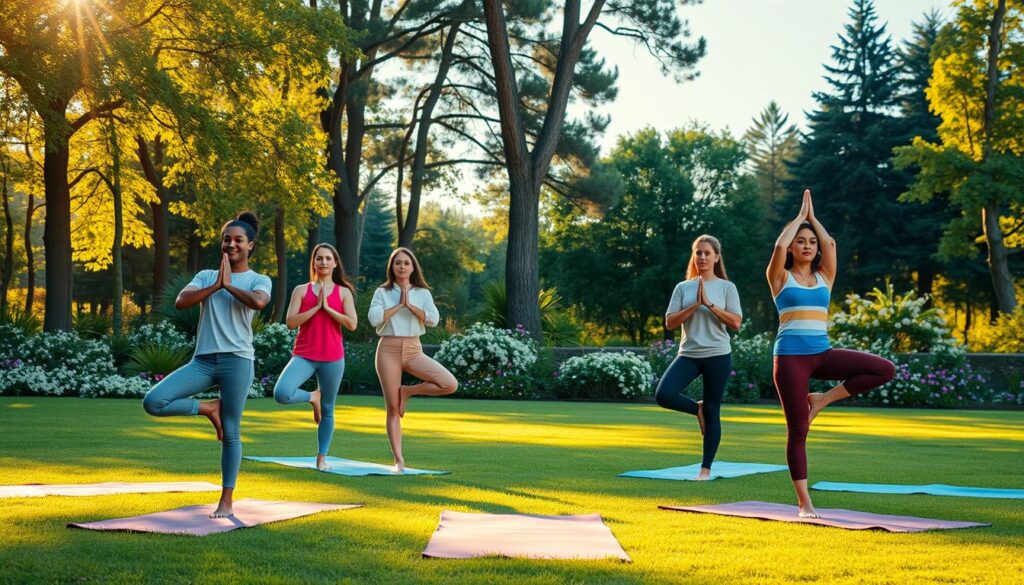
Yoga for teens can improve flexibility, strength, balance, and focus. Discover 7 easy poses and simple wellness tips for a healthierdaily.Routine. This is the essence of a practice that has thrived for over 3,000 years, originating in India. The word yoga means “to yoke,” symbolizing the connection between your mind, body, and spirit. As a young person navigating the ups and downs of life, embracing this ancient practice can be a powerful tool for wellness.
Incorporating simple poses into your daily routine can enhance your flexibility, strength, and balance. You’ll find that it also helps manage stress and anxiety, making it easier to handle academic pressures and social situations. The beauty of this practice lies in its adaptability; whether you prefer gentle movements or more vigorous sessions, you can choose what feels right for you.
As you embark on this journey, you’ll receive guidance on classes, home routines, and techniques to build your confidence. With mindful breathing and realistic consistency, you can cultivate a habit that not only supports your physical health but also nurtures your mental well-being.

yoga for teens
Key Takeaways
- Embrace a wellness habit that connects physical movement and mental focus.
- Understand the rich history of yoga beyond modern fitness trends.
- Discover how simple routines can enhance flexibility and strength.
- Choose poses that suit your energy and experience level.
- Learn about building confidence and maintaining consistency.
The Roots and Evolution of Yoga
Picture a journey that connects your inner self with your physical form, where tranquility replaces tension. This ancient practice began over 3,000 years ago in India, with the term yoga meaning “to yoke.” It symbolizes the union of mind, body, and spirit.
One popular style is Hatha, which focuses on slower movements, alignment, and breath. It helps you understand that yoga is much more than just stretching. Other styles, like Ashtanga, involve a fast-paced sequence that emphasizes breathing.
Hot yoga, specifically Bikram, consists of 26 poses performed in a heated room. This unique setup requires careful preparation to ensure safety. On the other hand, Iyengar yoga uses props like blocks and straps to enhance comfort and alignment, making it accessible for beginners.
Ultimately, yoga encompasses not just physical poses but also meditation, breathwork, and life philosophy. Many young practitioners discover this holistic approach through the physical aspects, paving the way for deeper exploration.
Benefits of Yoga for Teenagers
Visualize a world where your body feels strong and flexible, allowing your mind to find peace. Engaging in various poses can enhance your strength, flexibility, and balance. These improvements support your comfort as your body changes during adolescence.
Caleb S., who started at age 17, noticed greater strength and body awareness. He also found that his breath control improved, contributing to his overall health. This illustrates how physical goals can lead to broader benefits.
Moreover, breathing techniques and meditation can help manage anxiety and academic pressure. Paige, age 18, shared that asana and pranayama served as medicine for her artistic angst. This shows how emotional regulation is a key advantage of this practice.
Group classes offer a chance to build connections and empathy. Hannah, also 18, described yoga as an outlet from school pressure and social media overload. This highlights the social benefits that come from shared experiences in a supportive environment.
Yoga for Teens: Your Guide to Getting Started
Think about a routine that encourages movement and mindfulness, helping you navigate life’s challenges. Starting this journey can be exciting and rewarding. You have many options to find the right class and environment.
When looking for a class, consider these tips:
- Compare local gyms, community centers, YMCAs, and studios.
- Check if your teacher is registered with Yoga Alliance, ensuring they have at least 200 hours of training.
- Know what to expect: sessions often start with quiet breathing, followed by warm-ups, focused poses, and relaxation.
- Wear comfortable clothing and practice barefoot for better movement.
- Use a yoga mat for cushioning, and props like blocks and straps can enhance your practice.
- If you have health concerns, consult a doctor before starting and inform your teacher about any injuries.
Qualified instructors can modify poses to meet the needs of beginners and those with specific challenges. This support helps build confidence and ensures a safe experience.
Overcoming Challenges in Teaching and Practicing Yoga
Consider a space where your mind finds clarity and your body feels at ease, allowing stress to melt away. Engaging young people in a practice can be challenging, especially with short attention spans. To address this, alternate dynamic flows and partner work with brief mindfulness exercises. This approach keeps classes lively and relatable.
With over 20 years of experience, Yogi Beans emphasizes the importance of creating authentic and relevant classes. Incorporating elements from music, movies, and social media can help connect the practice to their everyday lives. This connection fosters engagement and makes learning enjoyable.
Supportive teaching is crucial for building confidence. For instance, Caleb B., who initially struggled with self-discipline, later completed teacher training. His journey highlights how patience and understanding can empower students. Encourage them to choose themes or lead warm-ups, which can enhance their sense of ownership in the practice.
Creative Yoga Poses and Practices for Daily Wellness
Envision a vibrant practice that harmonizes your physical and mental states, transforming stress into serenity. Engaging in dynamic sequences can be both fun and beneficial. Consider incorporating Warrior poses, creative Sun Salutations, and Crow preparation into your routine.
Partner activities like Double Downward Dog and back-to-back breathing foster trust and teamwork. These exercises encourage a playful atmosphere while building confidence among peers.
Mindful breathing techniques, such as four-count box breathing, can help you shift from high energy to calm attention. Short meditation practices, like three-minute gratitude journaling or guided visualization, make meditation feel approachable and rewarding.
Finally, end your practice with restorative relaxation. Use soothing music, affirmations, or Savasana to signal your body that it’s time to recover. Tailor your practice to your unique needs; grounding postures may benefit Vata-oriented individuals, while cooling techniques suit Pitta types, and energizing movements work well for Kapha.
Integrating Yoga into a Busy Teen Lifestyle
Consider how integrating gentle movements into your day can create balance amidst your busy schedule. With school, extracurriculars, and social activities, finding time for practice can feel overwhelming. However, even small adjustments can lead to significant benefits.
Here are some time-saving tips to fit poses into your routine:
- Try a 30-minute split routine: 15 minutes after waking and 15 minutes before bed.
- Incorporate a few poses during study breaks to refresh your mind and body.
- Experiment with morning, after-school, and evening sessions to find what suits your energy best.
- Practice a couple of times each week for improved flexibility and strength.
- Find a workout buddy to enhance motivation and make home practice more enjoyable.
Set achievable goals, such as attending one class weekly or adding power yoga to your routine. Remember, tracking your progress is key. Celebrate small victories and allow your practice to adapt to life’s demands, like exams or travel.
Conclusion
Imagine a world where balance and peace intertwine, creating a sanctuary for your mind and body. This ancient practice, which began in India over 3,000 years ago, remains a vital tool for your wellness today.
Consistent poses, mindful breathing, and relaxation techniques can enhance your strength, flexibility, focus, and emotional balance. Caleb, Paige, and Hannah found benefits that extended beyond physical performance, tapping into creativity and stress relief.
Choose a class or home routine that aligns with your body, experience, and personal goals. Even a couple of weekly sessions or two 15-minute practices can foster a sustainable habit during busy school years. Embrace this flexible life skill to respond thoughtfully to pressure and continue your journey over time.
FAQ
What are the benefits of practicing yoga regularly?
Regular practice can enhance your strength, flexibility, and body awareness. It also helps in managing stress, reducing anxiety, and improving overall mental health.
How can I find a suitable class for myself?
Look for classes that cater specifically to your age group and experience level. Many studios offer beginner-friendly options that focus on relaxation and fun.
What should I wear to a yoga class?
Wear comfortable, breathable clothing that allows for movement. Avoid anything too tight or restrictive, as you’ll want to focus on your practice without distractions.
Can I practice yoga at home?
Absolutely! Home practice can be a great way to explore poses at your own pace. Just ensure you have enough space and follow online tutorials or apps for guidance.
How often should I practice to see benefits?
Aim for at least two to three sessions per week. Consistency is key, and even short practices can yield positive results over time.
What if I feel self-conscious in class?
It’s completely normal to feel that way, especially as a beginner. Remember, everyone is there to learn and grow. Focus on your own practice and progress, and try to enjoy the experience.
Are there specific poses that are best for beginners?
Yes! Start with foundational poses like Downward Dog, Child’s Pose, and Warrior I. These help build strength and flexibility while being accessible for newcomers.
How can yoga help with school stress?
Yoga encourages relaxation and mindfulness, which can help you manage stress and anxiety related to schoolwork and social pressures. Techniques like breathwork can be particularly effective.