
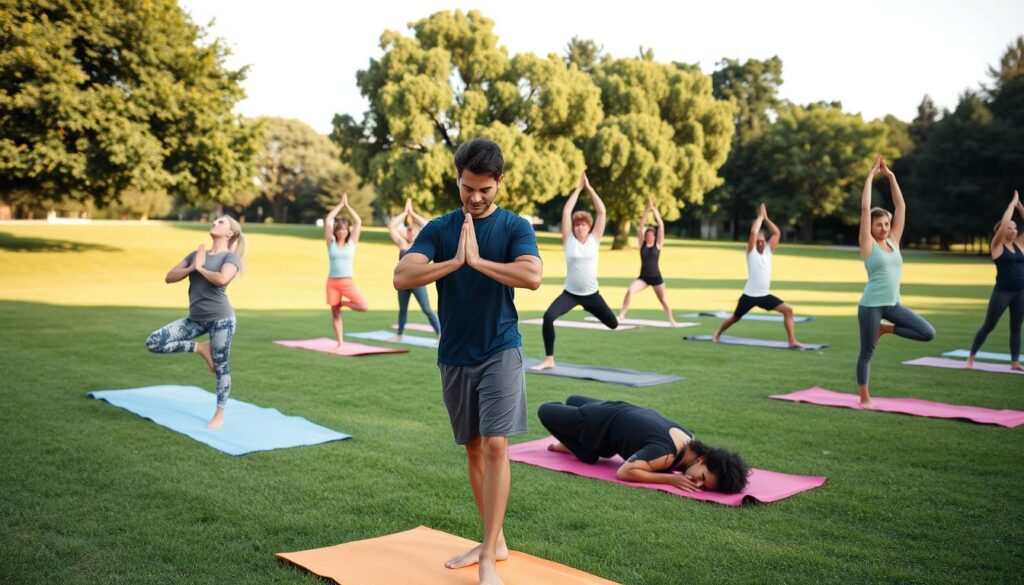
A summer yoga routine is the perfect way to reconnect with your body and mind as the days grow longer and the warmth of the sun envelops us. The gentle light of this season invites you to slow down and find balance. Imagine stepping onto your mat, feeling the coolness of the floor beneath your feet, and taking a deep breath. In this moment, you can release the stress that builds up over time.
With the guidance of Nichole Golden’s insights, you can explore a simple practice that embraces this season’s energy. It’s not about intensity; it’s about cultivating a sense of calm and rejuvenation. By focusing on gentle movements and steady breathing, you can create an internal environment that feels cool and peaceful, aligning with the Ayurvedic wisdom of the season.
In this article, you’ll discover a series of poses designed to enhance your mobility and promote relaxation. Each pose is a step towards a healthier you, allowing you to embrace the vitality of the season without overwhelming your body.

summer yoga routine
Getting Started with Your summer yoga routine
In this season of warmth and light, you have the perfect opportunity to focus on your health and inner peace. Ayurveda teaches us that summer stimulates the pitta dosha, which is linked to heat and intensity. This makes it essential to choose cooling movements and a calmer pace in your practice.
Begin by preparing a stable mat on the floor. Nearby blankets, blocks, or towels can provide support during restorative poses. Select a ventilated, shaded area in your home, allowing fresh air to flow while maintaining comfort.
Before diving into your yoga practice, take a moment to check in with yourself. Notice your energy and breath. A relaxed space, unclenched hands, and a soft gaze can help settle your mind, creating the right environment for movement.
Exploring the Benefits of Summer Yoga for Mind and Body
With the arrival of warmer days, now is the ideal moment to engage with your physical and mental well-being. This practice can enhance flexibility, strength, and relaxation, making it perfect for this vibrant season.
Gentle forward bends and reclining poses can significantly encourage relaxation. These movements support flexibility through the hips, legs, shoulders, and spine. Here are some benefits of incorporating these poses into your practice:
- Child’s Pose is an accessible option, which you can hold for 30 seconds to several minutes. It allows your nervous system to settle.
- The 2025 recommendation suggests lingering in stillness with minimal effort, allowing cooling effects to develop beyond physical exertion.
- Awareness of your breath helps you notice sensations in your body without forcing range of motion or increasing internal heat.
- Regular practice fosters balanced strength, improved body awareness, and a calmer response to stress or heat.
- Use modifications like a folded blanket or block to ensure comfort for your head, knees, lower back, and feet.
Essential Poses and Techniques for a Cooling Yoga Practice
In the midst of vibrant days, it’s essential to embrace practices that cool and soothe your body. Incorporating gentle poses can help you maintain balance while reducing the heat within.
Start with the Wide-Legged Standing Forward Bend. Place your feet 3 to 4 feet apart and hold for at least one minute. This pose encourages a calming effect on the mind and body.
Next, try Legs Up the Wall. This pose can be practiced for 5 to 20 minutes. Keep your tailbone close to the wall, adjusting your legs if you feel tightness in your hamstrings.
When considering Sun Salutations, remember to practice fewer rounds during this season. These poses can create warmth, so move at a moderate pace to avoid overheating.
Finally, include Bridge Pose and Shoulderstand as supportive backbends. Each can be held for 30 seconds to 1 minute, promoting relaxation and balance in your practice.
Integrating Breath Work and Ayurvedic Nutrition into Your Practice
Focusing on your breath and dietary choices can profoundly impact your overall well-being. Incorporating specific techniques can enhance your experience on the mat. Cooling breath techniques like Sheetali Pranayama are beneficial. This method involves inhaling through a rolled tongue or lightly clenched teeth. Aim to repeat this for 5 to 20 cycles. If you cannot curl your tongue, try inhaling through your teeth while keeping your lips open.
Another effective technique is left-nostril breathing, which targets Ida Nadi, the body’s cooling channel. This method can be practiced with five to twenty gentle breaths. Pair these breath techniques with lighter foods to support your practice.
Consider incorporating hydrating options like melons, cucumbers, and leafy greens into your meals. These foods provide essential water content. Additionally, adding herbs such as mint and cilantro can help balance the pitta dosha during this warm season.
Conclusion
As nature flourishes, consider embracing practices that promote calm and balance. Combining gentle poses, cooling breathwork, hydration, and light seasonal foods creates a manageable plan for well-being.
Remember Nichole Golden’s guidance to adapt your approach as daylight, weather, and activities change. Focus on balancing the pitta dosha with cooling choices rather than adding intensity to your practice.
Use the 2025 cooling-pose guidance to remind yourself to move slowly, linger in stillness, and practice with minimal effort. Always respect your body’s signals, reduce the pace when necessary, and choose comfort over forcing any position.
FAQ
What are the best poses for a cooling practice during hot weather?
Some excellent poses include Child’s Pose, Seated Forward Bend, and Legs-Up-the-Wall. These help to relax the body and cool you down.
How can I set up my space for a comfortable practice?
Choose a quiet area with good airflow. Use a soft mat, and consider adding a blanket for comfort. Make sure you have enough room to stretch your arms and legs.
What is the significance of breath work in my practice?
Breath work, or pranayama, helps to regulate your energy and keep you calm. Techniques like Sheetali and single-nostril breathing are particularly effective in the heat.
How often should I practice during the summer?
Aim for a consistent practice of at least three to four times a week. This helps maintain your strength and flexibility while keeping your mind relaxed.
Can yoga help with hydration and nutrition?
Yes! Incorporating Ayurvedic principles can guide you in choosing hydrating foods and maintaining a balanced diet, which is essential during warmer months.
What should I do if I feel dizzy during my practice?
If you feel dizzy, stop and rest. Drink water and focus on your breath. It’s important to listen to your body and take breaks as needed.