
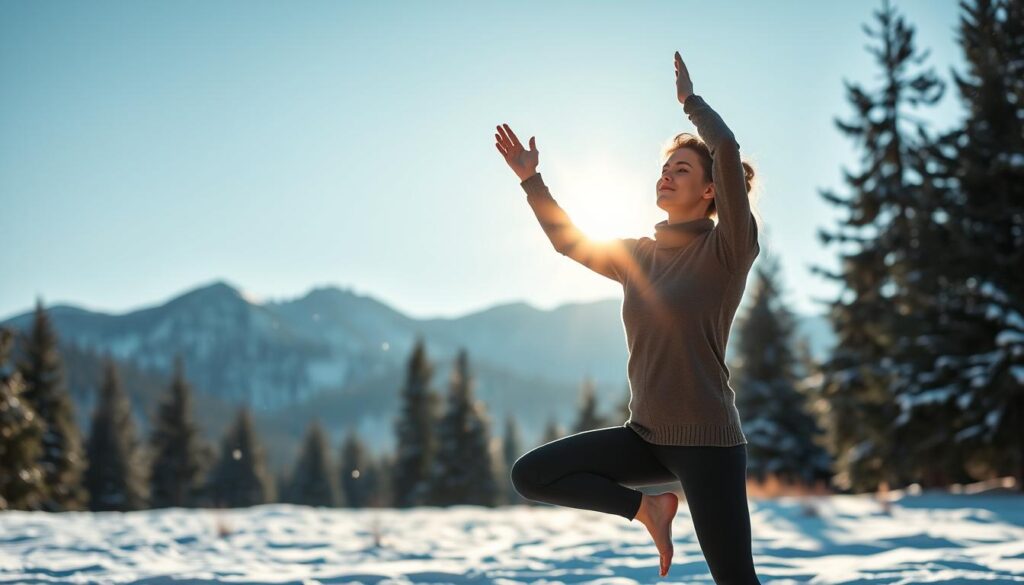
Winter yoga poses can help you seek warmth and comfort as the days grow shorter and the air turns crisp. Yoga offers a beautiful way to create heat from within, contrasting the temporary relief of jackets and hot drinks. It’s not just about the physical practice; it’s a journey of nurturing your body and spirit during the colder months.
When the chill sets in, many of us experience stiffness and a dip in energy. Tina Kamins ki, a therapist with advanced training, emphasizes how a dedicated practice can uplift your mood and enhance circulation. The winter season invites us to slow down, reflect, and rejuvenate, echoing the insights from Nichole Golden’s perspective on this time of year.
This article, inspired by Leah Cullis’s recent updates to the Yoga Journal Archives, aims to guide you through effective movements and flows that will keep your practice steady and invigorating. Embrace the warmth and connection that comes from each breath and movement, and let this season be one of growth and restoration.

Edit
Full screen
Delete
winter yoga poses
Key Takeaways
- Yoga creates internal warmth, providing a lasting solution for winter chill.
- Regular practice can alleviate stiffness and boost energy levels.
- Breath and movement are essential for maintaining a healthy body during colder months.
- Winter is a time for reflection and rejuvenation, enhancing your practice.
- Incorporating warming movements can uplift your mood and spirit.
Preparing Your Body for Winter Yoga
When the temperatures drop, it’s essential to prepare your body for movement. Starting your practice with effective warm-up techniques can help you ease into your routine and reduce the risk of injury. Begin with gentle movements like Child’s Pose, Cat-Cow, Downward-Facing Dog, and Low Lunge. These poses will help warm up your muscles, joints, and spine.
Incorporating Ujjayi breath is also crucial. This technique involves slow inhalations through the nose and slight constriction at the back of your throat. It helps to create internal warmth, preparing your body for deeper stretches.
As Nichole Golden notes, the cold, dry winter climate can aggravate your body’s doshas, potentially leading to stiffness and poor circulation. Therefore, it’s wise to listen to your body and move slowly, especially if you feel tension in your back, knees, or shoulders.
Cultivating Warmth with Breath and Movement
As the air turns chilly, finding ways to cultivate warmth becomes essential. A powerful method to achieve this is through Ujjayi breath. This technique involves slow inhalations and exhalations through the nose, while slightly constricting the back of your throat. This creates a soothing sound and generates a steady internal warming sensation.
Pair each inhalation with lengthening your spine and chest. Each exhalation helps stabilize your core, preparing your body for stronger movements. Start with a manageable number of breaths, especially if your muscles or back feel tight.
Another effective technique is the Breath of Fire, also known as kapalabhati. This involves rapid, sharp exhalations and passive inhalations. Begin with cycles of 30 breaths, gradually increasing to 100 breaths for 3-5 rounds. Always listen to your body; if you feel dizzy or strained, return to your natural breathing.
- Make Ujjayi breath audible yet comfortable.
- Stabilize your core with each exhalation.
- Start Breath of Fire with 30 breaths.
- Gradually increase your cycles for strength.
- Always prioritize comfort and control in your practice.
Top Yoga Poses to Beat the Cold
When the chill in the air becomes palpable, it’s time to embrace energizing movements. Incorporating high-energy poses can help you generate heat and keep your body active.
High-Energy Plank and Side Plank Variations
Start with the Plank position. Stack your shoulders over your wrists and press through your hands. Hold this for 5 breaths to build strength.
Next, transition to Side Plank. Stack your feet, lift your hips, and reach one arm toward the ceiling for another 5 breaths. For added intensity, bend the top knee toward your chest and hold for 5 more breaths.
Core-Strengthening Boat and Thunderbolt Pose
Use Boat Pose to strengthen your core. Hold for 5-10 breaths, drawing your thighs inward. Progress from bent knees to straighter legs only when comfortable.
Then, practice Thunderbolt Pose for 10 breaths to ground yourself and enhance stability.
Deep Backbends: Fire Log and Bow Pose
Explore Fire Log Pose for 10 breaths on each side. This pose opens the hips and builds strength in your back.
Finally, Bow Pose can be practiced for up to three sets, helping to open your chest and generate inner heat.
Enhancing Your Practice with Seasonal Flows
As the seasons shift, your practice can adapt to embrace the changing energy around you. A great way to start is with Sun Salutations. You can practice up to 12 rounds to warm your body and mind. This sequence helps to generate heat while improving flexibility and strength.
Next, incorporate Warrior I, II, and III. These poses build strength in your legs, core, and arms while enhancing balance and stamina. As you flow through these movements, feel the energy radiate from your feet to your fingertips.
To create balance, include Child’s Pose between more challenging poses. This will stretch your lower back and hips, allowing you to recenter your mind. You can also practice Tree Pose for stability. If needed, use a wall for support while focusing on your breath.
Finally, conclude your practice with Savasana. Support your body with a bolster under your knees and a blanket under your head. Aim for a daily practice of 10-15 minutes to keep your energy high and your body aligned.
Conclusion
As temperatures dip, seeking balance and vitality through movement is crucial. Engaging in your practice can generate warmth and alleviate stiffness, which is often felt during this time. Start gently with Ujjayi breathing to prepare your body safely for deeper stretches.
Incorporating movements like Plank, Side Plank, and Boat can enhance core strength and stability. Additionally, poses such as Thunderbolt and Bow offer varied opportunities to increase mobility and warmth.
By embracing Sun Salutations and Warrior sequences, you can create an energizing flow. Meanwhile, Child’s Pose and Savasana provide moments of restoration and clarity. Following Tina Kaminski’s advice for a daily 10-15 minute practice can help you maintain consistency and accessibility.
FAQ
What are some effective warm-up techniques for my practice?
Start with gentle stretches for your arms, legs, and spine. Incorporate movements like cat-cow and gentle twists to prepare your body. This helps to increase blood flow and warmth before you dive into more intense poses.
How can I use breathwork to enhance my practice?
Intentional breathwork, such as Ujjayi breath, can create internal heat and focus. Inhale deeply through your nose, constricting the back of your throat slightly, and exhale with control. This technique helps you stay present and energized during your session.
What are some top poses to help me stay warm during colder months?
High-energy variations like plank and side plank can build strength and warmth. Additionally, core-strengthening poses such as boat and thunderbolt, along with deep backbends like fire log and bow pose, are excellent choices for boosting your energy.
How can I incorporate seasonal flows into my routine?
Integrate sun salutations and warrior poses into your practice. These dynamic sequences promote movement and warmth. Balancing poses like child’s pose and tree pose can also help you find stability and grounding during the winter months.
How often should I practice to maintain warmth and flexibility?
Aim for a consistent practice, ideally three to five times a week. This frequency helps maintain your body’s warmth and flexibility, making it easier to transition into more challenging poses.