
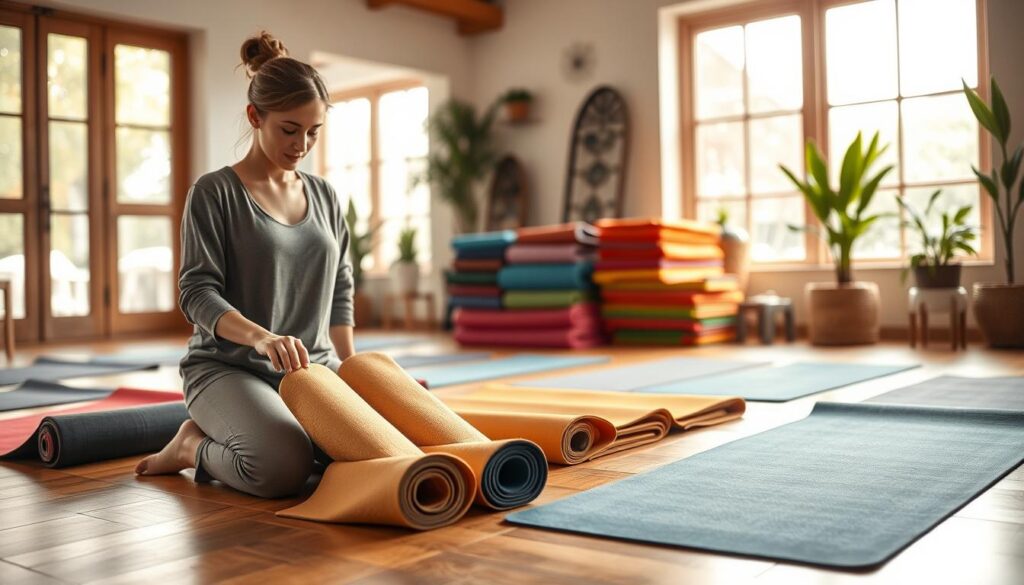
How to choose a yoga mat can feel like a personal journey, especially when you want a mat that supports your comfort, practice, and lifestyle. Each time you step onto your mat, it should feel like a warm embrace, inviting you to connect with your practice. In her insightful guide published on July 25, 2017, Kate Hanley expands the conversation beyond the traditional sticky PVC mats that were once available in just a few colors.
Today, the options are vast and varied. Thickness, surface texture, and material play significant roles in how a mat feels during your practice. It’s not just about aesthetics; it’s about how well the mat supports your movements and aligns with your personal values.
Whether you’re practicing at home or in a studio, the right mat can enhance your experience. This article will guide you through essential factors, helping you find a mat that suits your needs, preferences, and lifestyle. Prepare to explore how measurable specifications can connect with your unique practice.

how to choose a yoga mat
Essential Factors When Choosing Your Yoga Mat
Your mat choice significantly impacts your yoga journey. Thickness and cushioning are vital factors that affect your comfort and stability during practice. A traditional mat usually measures around 4-5 millimeters. This thickness provides a balance between connection to the floor and enough cushioning for your knees.
For those seeking extra comfort, mats with 6-8 millimeters of cushioning are available. However, keep in mind that this extra softness may reduce stability during balancing poses. If you have sensitive knees or joints, consider how thickness relates to your comfort needs.
Portability is another essential aspect. Standard mats weigh between 0.4 and 3.5 kilograms. A home-use mat typically weighs around 2.5 kilograms, while travel mats can weigh 1 kilogram or less. When heading to the gym or studio, this weight difference can significantly impact your experience.
How to Choose a Yoga Mat: Materials, Texture, and Grip
When selecting your ideal mat, consider the materials and textures that best support your practice. The right combination can enhance your experience and provide the grip you need during challenging poses.
Material Essentials: PVC, Natural Rubber, and Alternatives
Many mats are made from various materials, each offering unique benefits. PVC mats are popular due to their durability and latex-free nature. They can last over a decade and are easy to clean. However, if you have latex allergies, natural rubber provides excellent traction but may not be suitable for everyone.
Other options include TPE, known for its elasticity and anti-slip performance, and NBR, which offers thick cushioning. Rubber-plus-PU mats deliver great grip but can be heavy and prone to mold. Lastly, jute mats have an organic feel, contrasting with the smoother surface of PVC.
Texture and Stickiness for Secure Alignment
The texture of your mat plays a crucial role in stability. Raised patterns can help prevent slipping, while stickiness relies on suction to keep your hands and feet firmly in place. PVC mats excel in this area, providing the highest sticky factor, essential for maintaining alignment during poses.
When evaluating texture, consider whether you prefer a tactile feel or a smoother surface. Cleanliness also affects grip, especially during movements like downward-facing dog. Performing a squeeze test can help determine a material’s elasticity—if it compresses too easily, it may not offer the support you need.
Balancing Comfort, Durability, and Eco-Friendliness
A mat that merges comfort with durability can enhance your yoga experience. When selecting your mat, consider eco-friendly options. PVC mats, while durable, do not break down easily in landfills and are costly to recycle. In contrast, mats made from natural rubber, jute, or cotton provide more sustainable choices.
Dynamic styles like Ashtanga and Vinyasa often pair well with thinner mats, typically 3-5 millimeters thick. Gentle practices, such as Yin or Hatha, benefit from mats with 5-8 millimeters of cushioning. Prices vary significantly; PVC mats range from 200,000-300,000 VND, while rubber-plus-PU mats can cost 900,000-1,000,000 VND.
For example, Olaben’s Signature Yoga Mat Olive, measuring 185 x 68 centimeters and weighing about 2.8 kilograms, is priced at 4,390,000 VND. Remember, aesthetics matter too! Color, patterns, and alignment markings can enhance your practice, helping you focus on posture and meditation.
Tips for Maintaining and Cleaning Your Yoga Mat
Maintaining your mat is essential for a rewarding practice. Regular cleaning helps preserve its quality and grip. A simple wet-cloth wipe can effectively remove surface dirt, sweat, and oil after each session.
For deeper cleaning, warm, soapy water works well for heavier dirt. However, always check the manufacturer’s instructions before machine washing. After cleaning, ensure your mat is dried thoroughly. This prevents moisture buildup, which can lead to mold.
You can create a homemade cleaning spray using water, baking soda, and a drop of eucalyptus or tea tree essential oil. This not only cleans but also adds a refreshing scent.
Remember, clean PVC mats maintain their stickiness, while dirt can reduce traction. Many mats become more reliably non-slip after repeated use, so initial slipperiness doesn’t mean your mat is defective.
Conclusion
In conclusion, the ideal mat combines the right thickness, dependable grip, and suitable materials for your practice. Starting with the traditional 4-5 millimeter range is wise, while 6-8 millimeters can provide extra cushioning for sensitive knees.
For dynamic practices like Ashtanga or Vinyasa, mats around 3-5 millimeters work well. Conversely, gentle styles benefit from thicker options. Consider the longevity of PVC mats, lasting over a decade, versus rubber-plus-PU products, which offer about three years of durability.
Finally, whether you need a 2.5-kilogram home mat, a 1.4-kilogram portable option, or a lightweight 1-kilogram travel mat, ensure it fits your lifestyle. Remember to clean your mat properly and allow regular use to enhance its traction over time.
FAQ
What thickness should I look for in a yoga mat?
The ideal thickness varies based on your needs. A mat between 4mm to 6mm offers a good balance of cushioning and stability. If you have sensitive knees, consider a thicker option for extra support.
Are travel mats different from regular yoga mats?
Yes, travel mats are typically thinner and lighter, making them easy to carry. They often sacrifice some cushioning for portability, so consider your practice style when choosing one.
What materials are best for yoga mats?
Common materials include PVC, natural rubber, and TPE. Natural rubber is eco-friendly and provides excellent grip, while PVC mats are often more affordable but less sustainable.
How do I maintain my yoga mat?
Regular cleaning is essential. Use a gentle soap and water solution to wipe down your mat after each use. Allow it to air dry completely before rolling it up.
Can I use my yoga mat on different floor types?
Yes, most mats work well on various surfaces. However, consider the grip and stability of your mat on slippery floors. Mats with a textured surface can provide better traction.
What should I consider for grip and stability?
Look for mats with a non-slip surface and adequate texture. This will help you maintain proper alignment during poses and prevent slipping during your practice.
Are there eco-friendly options for yoga mats?
Absolutely! Many brands offer mats made from sustainable materials like natural rubber or recycled materials. These options are better for the environment without compromising performance.