
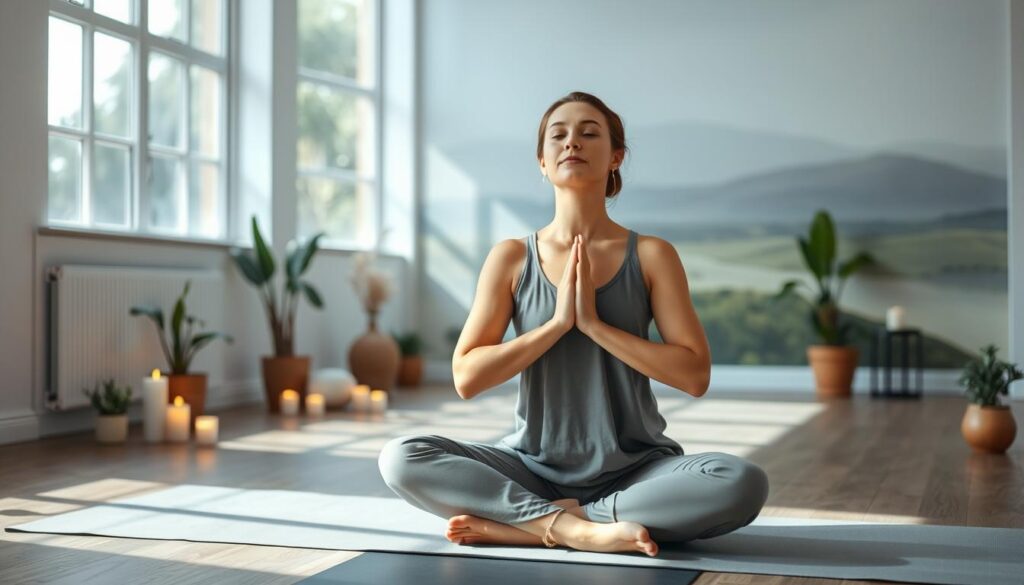
Have you ever felt overwhelmed by the pressures of daily life? It’s a common experience, and often, the weight of stress can feel heavy on your shoulders. In moments like these, finding a way to pause and regain your balance is essential. Breath control offers a simple yet powerful method to help you navigate through anxiety and stress.
The ancient practice of pranayama is rooted in the rich traditions of yoga and meditation, tracing back to around 5000 BC in India. The term itself refers to the art of controlling your breath, a practice that can lead to improved emotional well-being and a calmer mind. With a few beginner-friendly methods, you can learn to harness this life force to respond to stress with greater awareness.
Throughout this guide, we will explore various approaches, including alternate nostril breathing and ocean breath, among others. Each technique is designed to be safe and accessible, allowing you to experience the benefits without feeling overwhelmed. Remember, it’s important to listen to your body and stop if you feel any discomfort.

Edit
Full screen
Delete
pranayama breathing techniques
Key Takeaways
- Breath control can help you manage stress and anxiety effectively.
- Pranayama is an ancient practice with roots in yoga and meditation.
- Beginner-friendly methods can enhance your emotional well-being.
- Always prioritize safety and comfort during your practice.
- Discover how to combine ancient wisdom with modern techniques.
Understanding the Foundations of Pranayama
As life throws challenges your way, discovering a way to center yourself becomes crucial. The term pranayama combines two Sanskrit words: “prana,” meaning breath or life force, and “ayama,” which signifies control or regulation. This practice focuses on using specific breath patterns to enhance your body’s energy and overall well-being.
There are three fundamental stages in this practice: purak (inhalation), kumbhak (retention), and rechak (exhalation). Together, these stages create a harmonious flow that connects your body and mind.
By simply being aware of your breath, you can bridge the gap between yoga, meditation, and physical sensations. You don’t need to start with advanced postures; instead, focus on maintaining a comfortable spine, a relaxed face, and natural breathing. This approach allows you to cultivate a sense of balance without the pressure of achieving maximum lung capacity.
In traditional yoga philosophy, prana is viewed as a subtle life force flowing through the nadis and chakras. Modern interpretations may emphasize breath regulation as a key to enhancing daily well-being. Factors such as fresh food, quality sleep, and meditation can influence your perceived levels of prana, making breath awareness a vital part of your holistic health journey.
The History and Evolution of Breathing Practices
In the hustle and bustle of modern life, finding a moment to breathe can feel like a luxury. The roots of breath control can be traced back to approximately 5000 BC in India, where yoga and meditation traditions began to flourish. Ancient texts, such as the Yoga Sutras, positioned breath control as a core aspect of yoga, emphasizing its significance in achieving overall wellness.
Prana, often referred to as the life force, holds deep cultural significance. It connects consciousness with energy channels and chakras, reflecting the intricate relationship between individuals and the universe. This understanding has evolved, with modern physiology revealing that slow nasal breath can activate the parasympathetic nervous system, promoting relaxation.
A 2002 study highlighted that imitating various breath patterns can influence emotional states like anger and happiness. This connection between breath and emotion paved the way for modern practices like Sudarshan Kriya, developed by Gurudev Sri Sri Ravi Shankar in the early 1980s. Today, millions across the globe practice this method, illustrating the timeless relevance of breath control.
How to Master Pranayama Breathing Techniques
In the midst of constant demands, cultivating calmness is essential. Mastering these practices can enhance your well-being and reduce stress. Here’s how to get started:
Step-by-Step Instructions
- Dirga Pranayama: Begin by breathing into your belly, rib cage, and chest. Reverse the release for about 10-20 comfortable breaths.
- Alternate Nostril Breathing: Close your right nostril, inhale through the left, switch sides, and complete up to 10 balanced cycles.
- Viloma: Use two- to three-second inhalation or exhalation segments with two-second pauses for three to five minutes.
Safety Precautions and Best Practices
Always prioritize comfort. Maintain a relaxed seated or lying position with an elongated spine. Avoid forcing retention or sacrificing breath quality, especially when learning new methods.
For those new to Kapalabhati, start cautiously at 65-70 cycles per minute, and stop if you feel lightheaded. If you have any health concerns, consult a healthcare provider before starting these practices.
Exploring Diverse Pranayama Methods for Stress Relief
In a world where stress often feels overwhelming, exploring diverse methods to find calm can be incredibly beneficial. Among these methods, Nadi Shodhana, or alternate nostril breathing, is a popular choice. This practice involves inhaling through the left nostril, switching to the right, and repeating this pattern for five to ten calming rounds. It’s known for promoting balance and relaxation, making it a great preparation for meditation.
Another effective method is Ujjayi Pranayama, also known as Ocean Breath or Victorious Breath. This technique creates a soothing ocean-like sound by gently constricting the throat during inhalation and exhalation. It helps calm the mind while energizing the body.
For those seeking a cooling effect, Sitali Pranayama is an excellent option. This method involves curling the tongue or forming an oval shape with the mouth, followed by nasal exhalation. Typically practiced for five to ten cycles, it refreshes the body and reduces heat.
Lastly, Bhramari Pranayama utilizes a humming sound during exhalation. This creates vibrations that can soothe a busy mind and is usually practiced for five to ten minutes. Each of these methods offers unique benefits, making them valuable tools for stress relief.
The Multifaceted Benefits of Pranayama for Mind and Body
When stress levels rise, having effective strategies at your disposal is essential. Controlled breath can significantly impact your mental and physical well-being. Research shows that deep breathing can enhance emotions and overall health.
For instance, a 2018 study found that slow nasal breathing activates the parasympathetic nervous system. This activation leads to feelings of comfort and relaxation. Additionally, a 2020 study indicated that university students had a better stress response after practicing SKY Breath Meditation.
Moreover, over 65 independent studies have reported impressive outcomes. These include a 33% increase in immune cell count and a 78% reduction in serum cortisol levels. Participants also experienced a 21% boost in life satisfaction, improved blood pressure, and better sleep quality.
In summary, integrating these practices into your routine can calm your mind, reduce anxiety, and enhance focus. As you explore these benefits, remember that each individual’s experience may vary.
Incorporating Pranayama into Your Daily Routine
Incorporating mindful practices into your daily life can significantly enhance your well-being. Setting up a personal routine is key to experiencing the benefits of focused breath exercises. Start with just five to ten minutes each day. Find a comfortable seat in a quiet space free from interruptions.
Alternate nostril breathing can be practiced at any time, especially when feeling anxious or distracted. Ujjayi can be included in your yoga asana session or as a standalone practice lasting up to ten minutes. If you prefer a morning boost, consider Kapalabhati, but only when you’re not on a full stomach.
Sitali is perfect for hot weather or when you’re feeling irritable. Tracking your comfort, breathing quality, and emotional responses can help you gauge your progress. Remember, it’s not about extending your practice but enjoying the process.
If you’re looking for guided instruction, the Art of Living Foundation offers in-person and online courses to help you deepen your practice.
Conclusion
As daily pressures mount, it’s essential to find effective ways to restore your calm. Pranayama offers a structured approach to using your breath and body awareness to combat tension and worry. Start with gentle methods like Dirga or alternate nostril breathing before exploring more vigorous practices such as Bhastrika or Kapalabhati.
Remember, this practice is deeply rooted in historical yoga traditions dating back to around 5000 BC. While research highlights benefits, such as improved stress responses, it’s important to recognize that these findings do not guarantee personal results.
Practice consistently and protect your breath quality. If you have health concerns, seek guidance from a qualified professional. With patience and regularity, you can make these methods a sustainable part of your yoga, meditation, and daily stress-relief routine.
FAQ
What is the purpose of breathing exercises?
The main purpose of these exercises is to enhance your overall well-being. They help reduce stress, improve focus, and promote relaxation by regulating your breath and calming your mind.
How often should I practice these techniques?
It’s recommended to practice daily, even if just for a few minutes. Consistency helps you experience the full benefits, making it easier to manage stress and anxiety over time.
Can anyone do these exercises?
Yes, most people can safely practice these methods. However, if you have specific health concerns, it’s wise to consult a healthcare professional before starting.
What is alternate nostril breathing?
This technique involves inhaling and exhaling through one nostril at a time. It helps balance your body’s energy and promotes a sense of calm and clarity.
How does breath control affect my mental state?
Controlling your breath can significantly influence your mental state. It helps reduce anxiety, enhances concentration, and promotes a feeling of peace, making it easier to navigate daily challenges.
What are the benefits of ocean breath?
Ocean breath creates a soothing sound during inhalation and exhalation, which can help focus your mind. It also promotes relaxation and can lower blood pressure, enhancing your overall sense of well-being.
How can I create a suitable environment for practice?
Find a quiet, comfortable space where you can sit or lie down without distractions. Dim lighting and a calm atmosphere can help you focus better on your breathing exercises.